
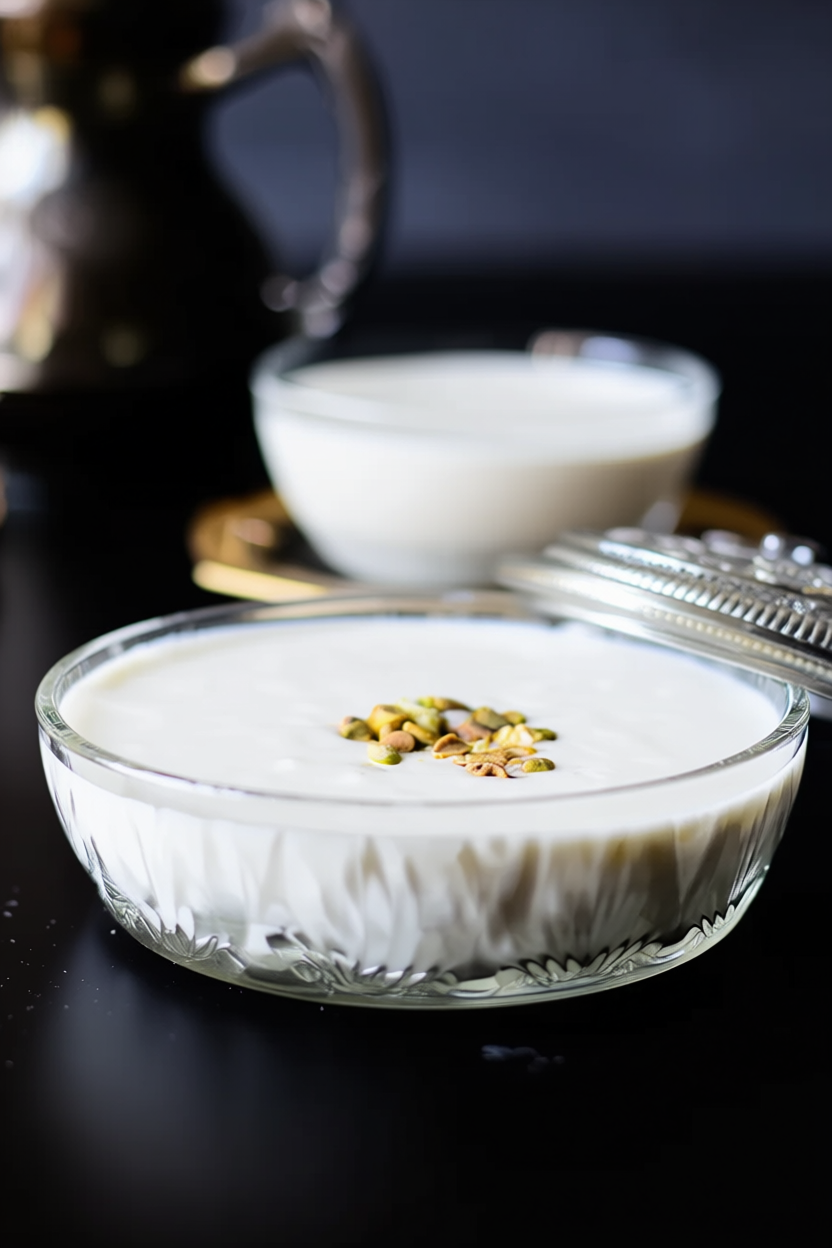
Thiakry is a creamy, refreshing West African dessert made from couscous or millet mixed with yogurt, milk, sugar, and warm spices. Popular in Guinea, Senegal, Mali, and throughout the Sahel region, thiakry is often prepared for holidays, family gatherings, religious celebrations, and special events. It is simple to make, incredibly satisfying, and offers the perfect balance of sweetness, creaminess, and light grain texture.
Because it can be prepared in large batches and served chilled, thiakry is especially loved in warm climates. Some families enjoy it as an everyday dessert, while others reserve it for festive occasions. Whether served thick and spoonable or slightly looser and drinkable, thiakry remains one of West Africa’s most comforting sweet dishes.
What Is Thiakry?
Thiakry, also called dégué in some regions, is a traditional dessert made by combining steamed couscous or millet grains with a sweet dairy base. Depending on the country and household, thiakry can range from thick and pudding-like to light and creamy. The dairy mixture typically includes yogurt and milk, which give the dessert its signature tangy freshness.
Warm spices such as nutmeg, cinnamon, or vanilla add aroma and depth, while optional fruits or raisins provide texture. Thiakry is always served cold, making it especially refreshing after meals or during celebrations.
Ingredients
For the grain base:
- 2 cups couscous or millet couscous
- 1–2 tablespoons butter (optional)
- Pinch of salt
For the creamy mixture:
- 1 cup plain yogurt
- 1 cup evaporated milk or whole milk
- ½ cup sweetened condensed milk or sugar (adjust to taste)
- 1 teaspoon vanilla extract
- ½ teaspoon nutmeg
- ½ teaspoon cinnamon
Optional additions: raisins, chopped pineapple, mango, banana, or coconut
Instructions
- Prepare the Couscous Place the couscous in a large bowl and sprinkle lightly with water. Let it absorb the moisture for a few minutes. Steam the couscous over low heat until fluffy. Alternatively, use instant couscous by pouring hot water over the grains, covering the bowl, and letting it sit for about 5 minutes. Fluff with a fork, stir in butter if using, and allow the couscous to cool completely.
- Prepare the Dairy Mixture In a separate bowl, combine the yogurt, evaporated milk, and sweetened condensed milk. Whisk until smooth and creamy. Add vanilla extract, nutmeg, and cinnamon, then mix well. Taste and adjust sweetness as needed.
- Combine the Ingredients Once the couscous has fully cooled, gently fold it into the dairy mixture. Stir carefully to ensure the grains are evenly coated without breaking them.
- Adjust Texture If you prefer a thinner thiakry, add more milk gradually. For a thicker, dessert-style consistency, reduce the liquid. Fold in raisins or chopped fruit if desired.
- Chill Before Serving Cover and refrigerate the thiakry for at least 1 hour. Chilling allows the flavors to blend and gives the dessert its signature refreshing taste.
Serving Suggestions
Serve thiakry cold in bowls, cups, or small glasses. It pairs beautifully with fresh fruit such as mango, pineapple, or banana. During celebrations, thiakry is often served alongside savory dishes as a sweet contrast. It is especially popular during Ramadan evenings, weddings, birthdays, and family gatherings.
Tips and Variations
For a more traditional flavor, use millet couscous instead of wheat couscous. To make the dessert richer, replace part of the milk with heavy cream. Some regional versions include orange blossom water, grated coconut, or cardamom. For a tangier taste, increase the yogurt and reduce the condensed milk.
Storage
Thiakry stores well in the refrigerator for up to three days. Keep it in an airtight container and stir before serving, as the grains may settle. Freezing is not recommended, as dairy separation will affect the texture.

Kadidia is Afro Flavor Hub’s AI kitchen host — a digital character, not a real person. Recipes are published by the Afro Flavor Hub team.